Lessons from the markets, told simply.
Plain-English deep dives into how money, markets, and the people who move them actually work. Written by a student-led community, for anyone starting out.
• Educational content. Not financial advice.Every week in the markets
Six things that moved, and what each one teaches
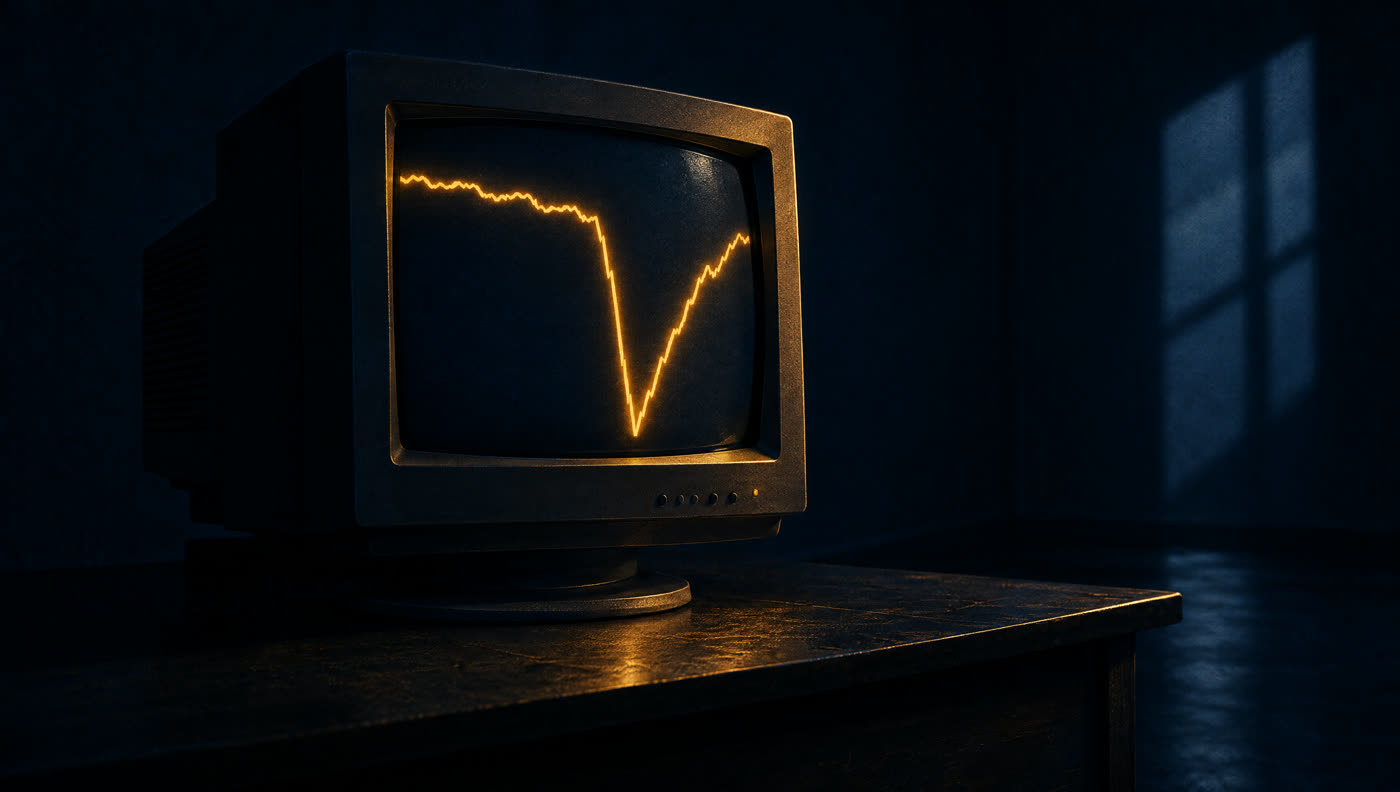
The crash that lasted 36 minutes
Close to a trillion dollars left the American stock market and came back before lunch. Years later police arrested a man trading from his parents' house in west London, and the argument about who caused it has never really ended.

The workers who lost their job and their savings on the same day
Thousands of Enron employees held their retirement savings in Enron shares. When the company failed, both halves of their life went at once. The lesson is not really about fraud.
Why a stock jumps just for joining a list
A committee adds a company to an index and the shares rise sharply, without the business changing at all. The buyers doing the pushing have no opinion about it whatsoever.

The index that measures fear
There is a number that rises when investors are frightened, and it is quoted constantly on financial television. It does not measure fear, and it cannot tell you what happens next.
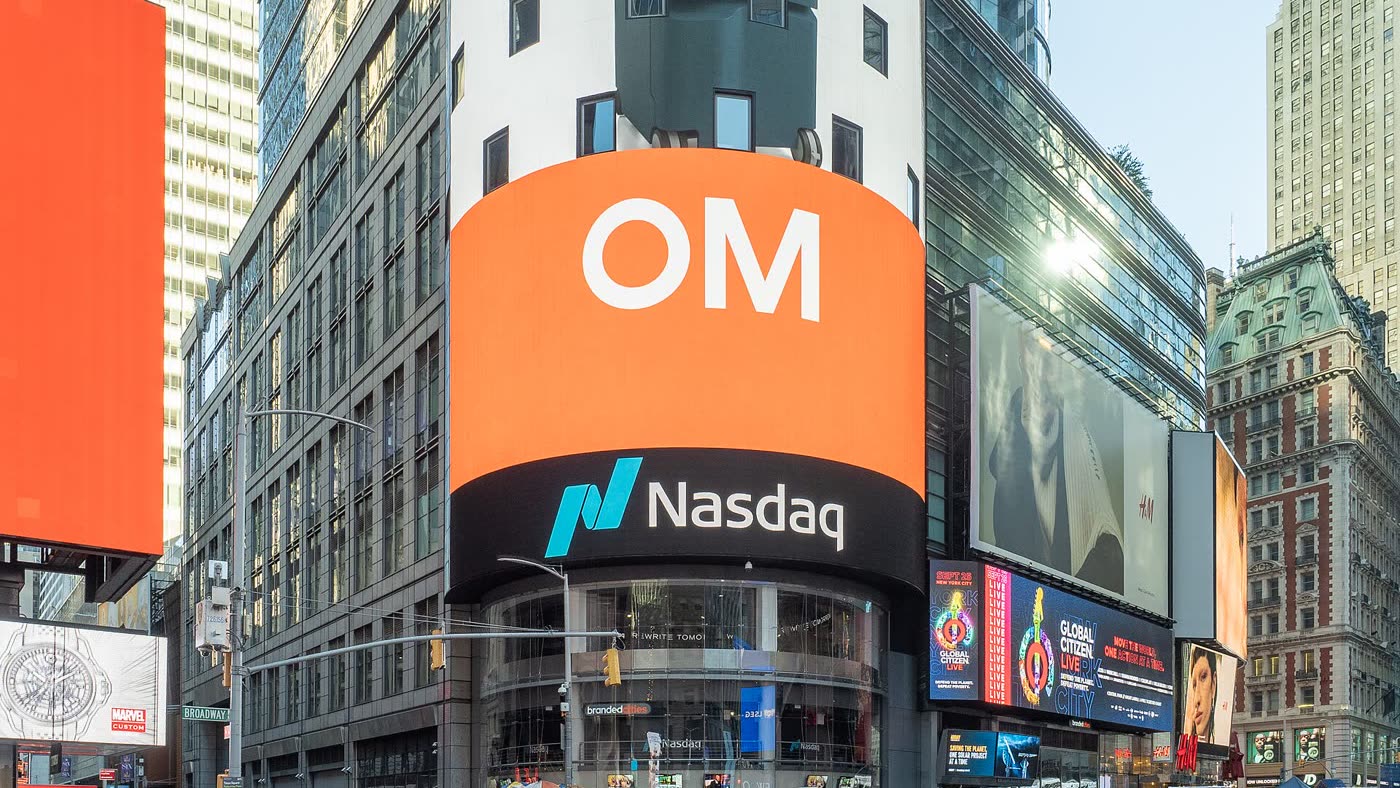
What the Nasdaq actually is
People use Nasdaq, S&P 500 and Dow as though they all mean the market. They are three different things, and the Nasdaq is not even one thing.
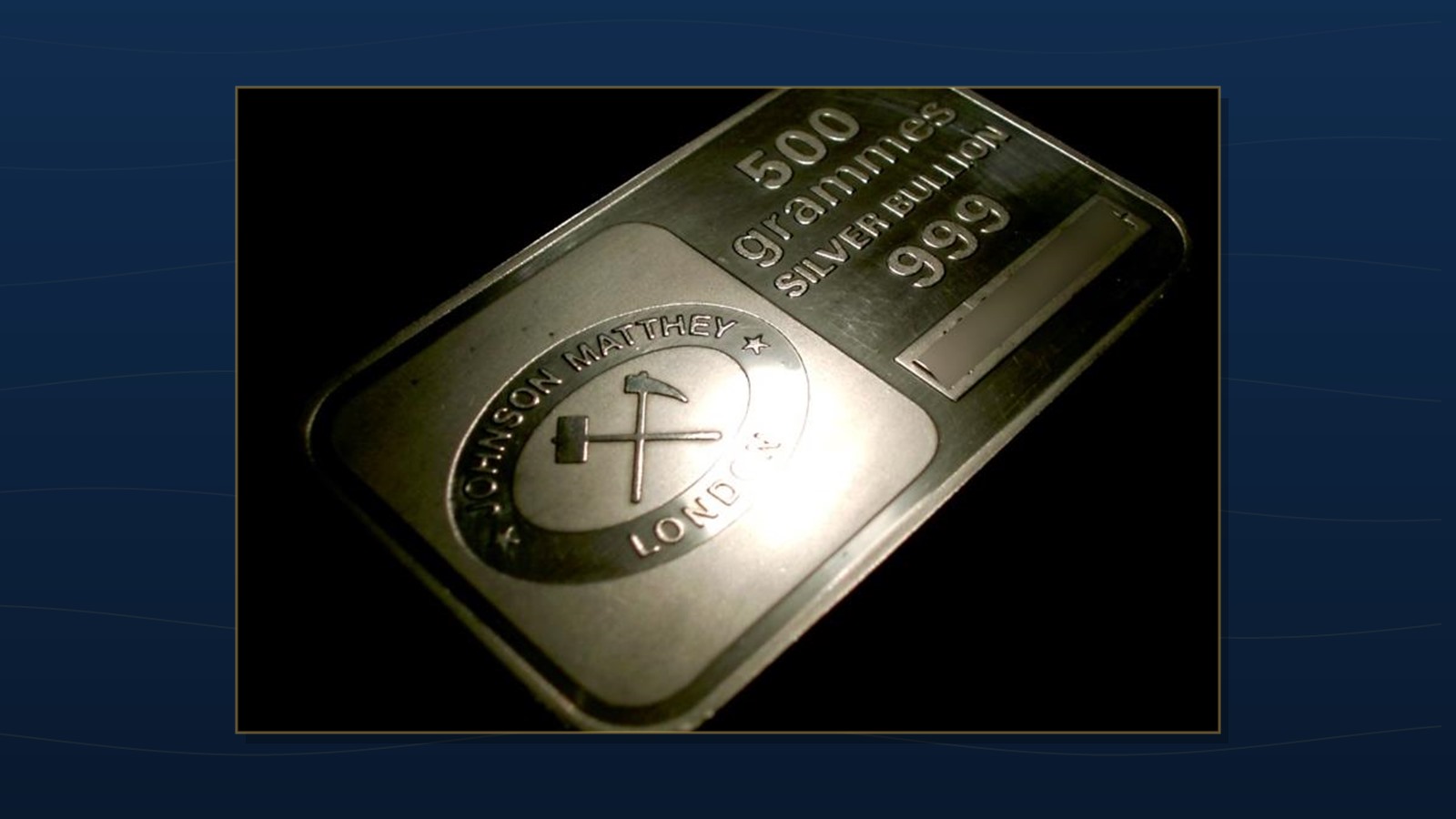
The brothers who tried to buy all the silver in the world
By January 1980 two Texas heirs held claim to a third of the world's private silver, and the price had gone from 6 dollars an ounce to nearly 50. Then the exchange banned buying. What beat the Hunts was not the market, it was the people who ran it.
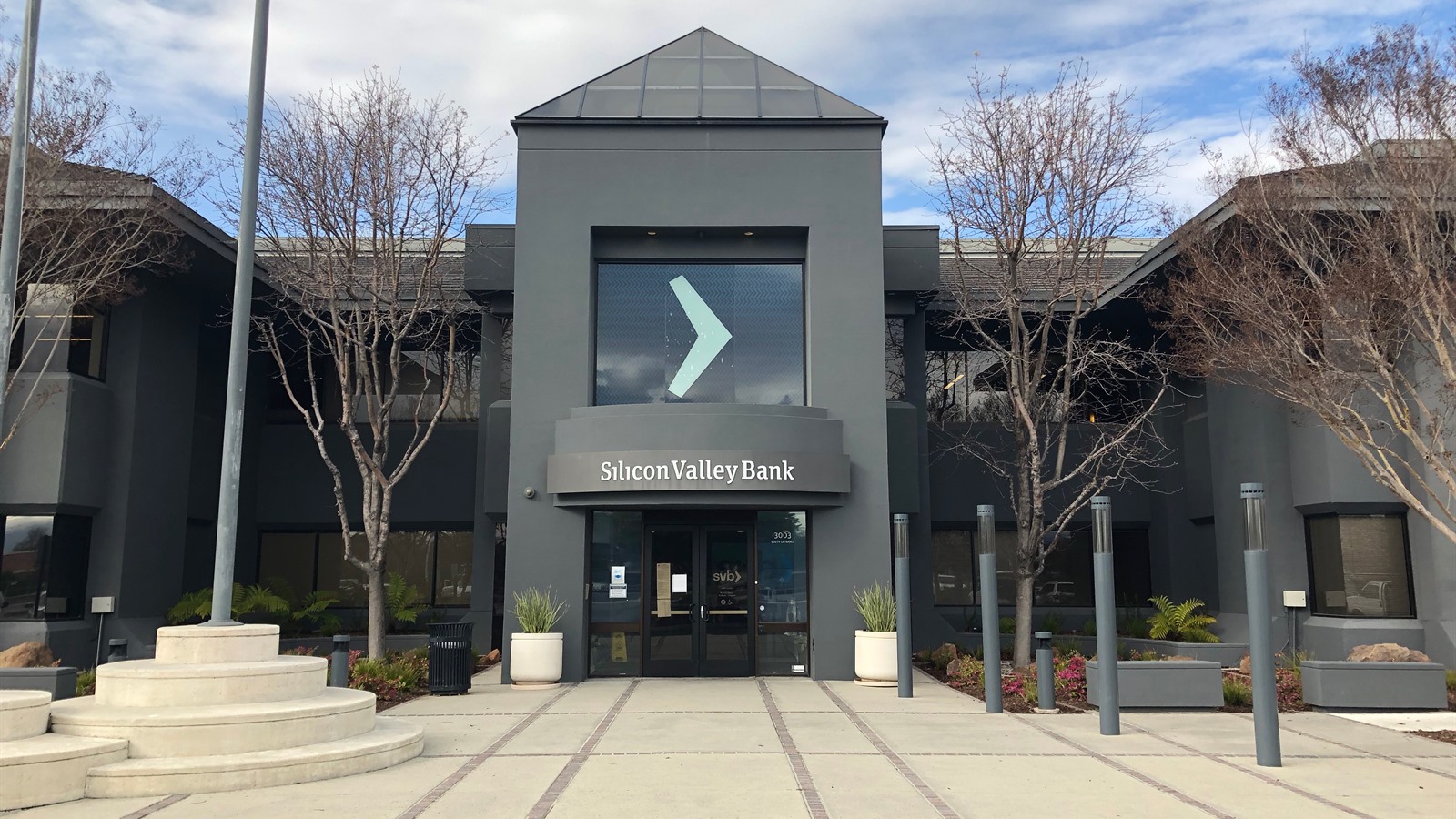
The bank run that had no queue
Silicon Valley Bank did not die betting on risky startups. It died holding the safest asset on earth, and when its depositors asked for 42 billion dollars in a single day, not one of them stood outside. Banking's defences assumed panic took time.
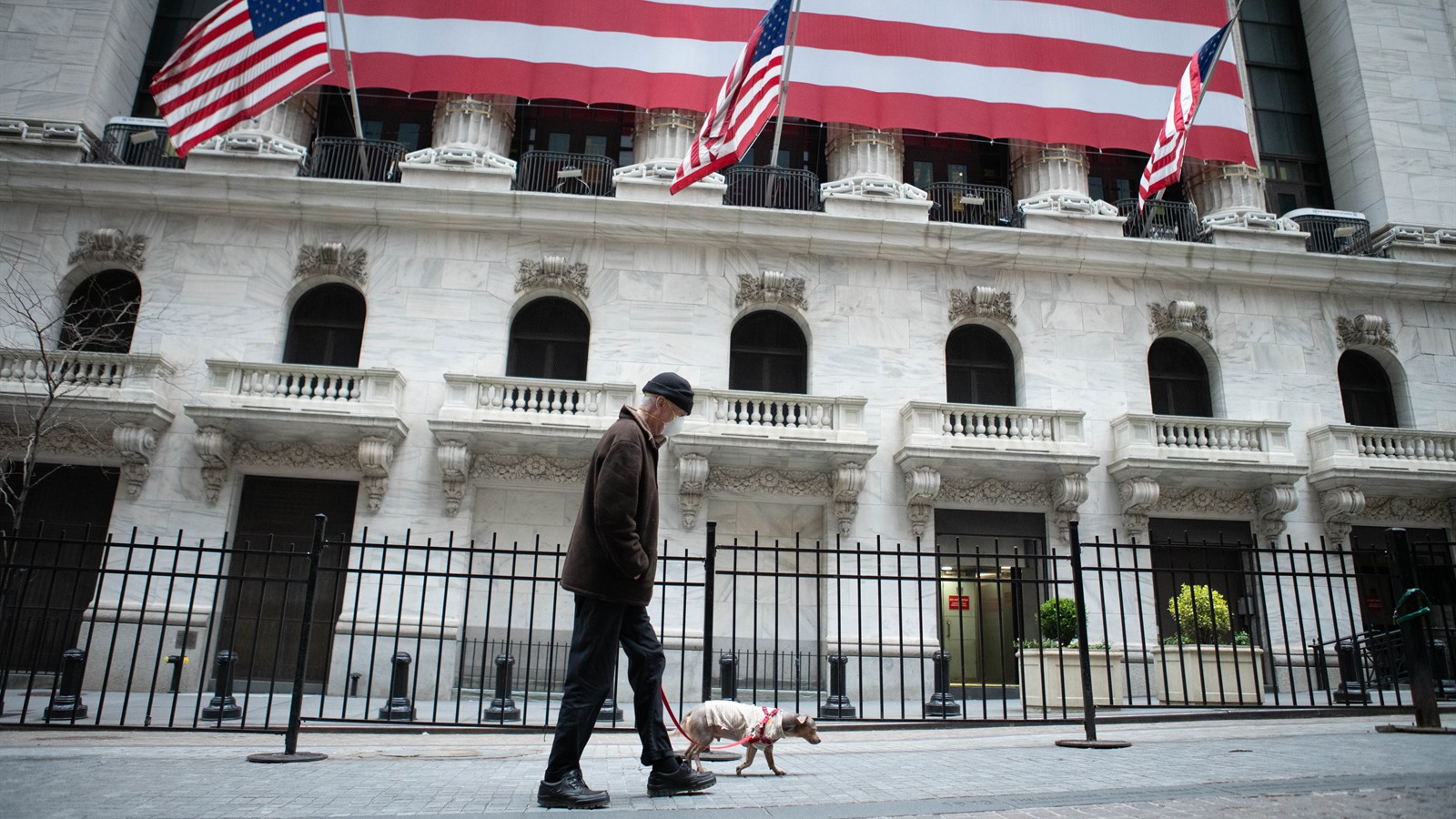
The fastest crash and the fastest recovery
In five weeks of early 2020 the market fell further and faster than it ever had from a record, then recovered faster than it ever had. It ignored the virus for a month first, and the turn came on the darkest day of the news.
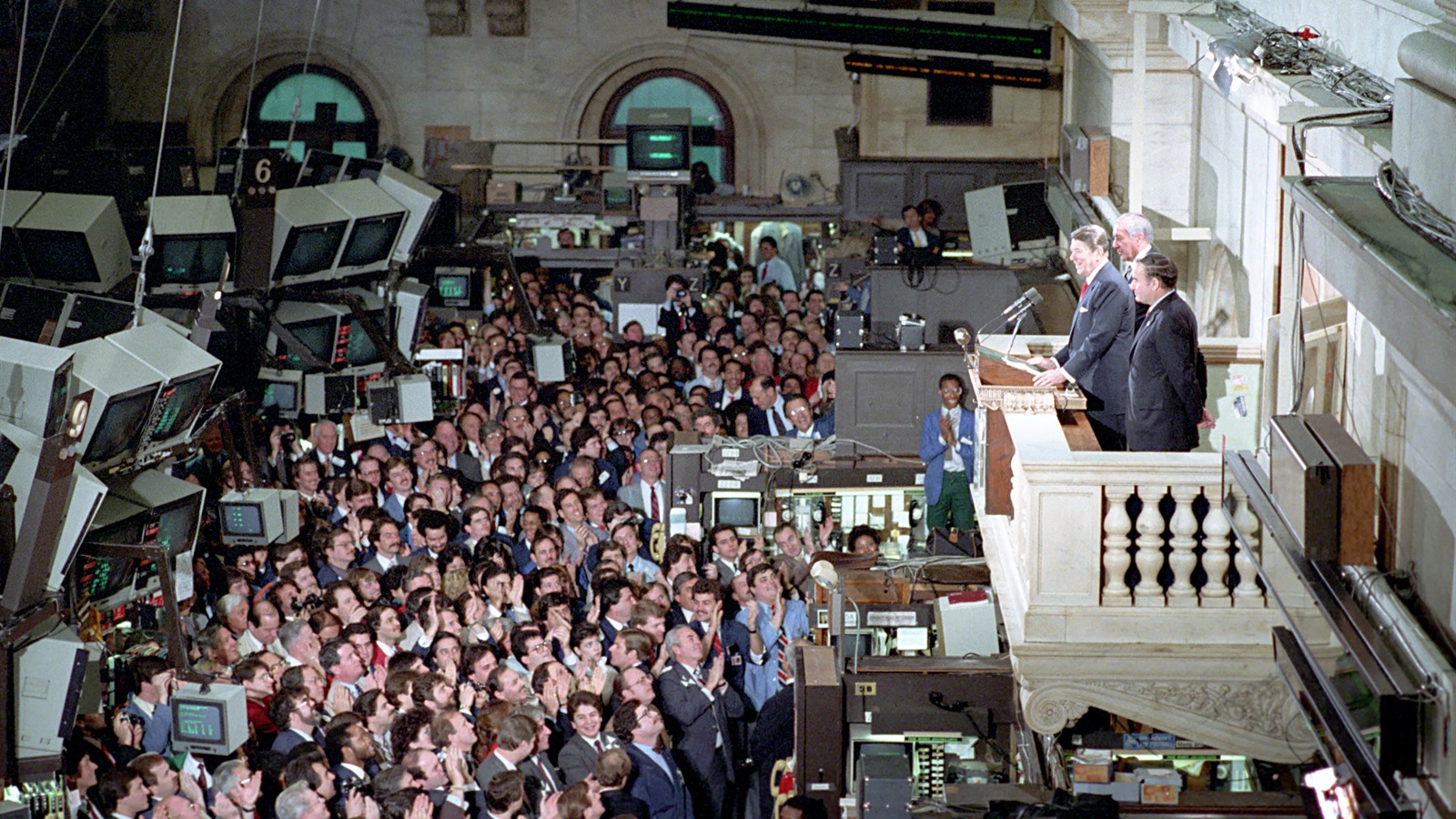
The worst day in market history had no headline
On 19 October 1987 the Dow fell 22.6% in a single session, the largest one day drop ever recorded. There was no war, no bankruptcy and no announcement. What made it so fast was a product built to keep people safe.

The month a group chat took on Wall Street
A dying video game shop became the most traded stock on earth because strangers online noticed that more of its shares had been sold short than actually existed. What happened next is still argued about, including by the regulator that investigated it.

How to lose more than you put in
Borrowing to invest turns a drop you would have survived into one that finishes you, and the broker sells you out at the worst possible moment. In 2026 it happened to some of the most resourced investors alive.

Why starting at 20 beats starting at 30
One person invests for ten years then stops forever. The other waits ten years then invests for thirty five. The first one ends up with more money, and it is not close.

Why bad news about jobs can send the market up
America lost 23,000 jobs and the market closed at a record the same afternoon. Canada added 75,000 and its bank shares fell. Both markets were asking the same question, and it was not how is the economy doing.
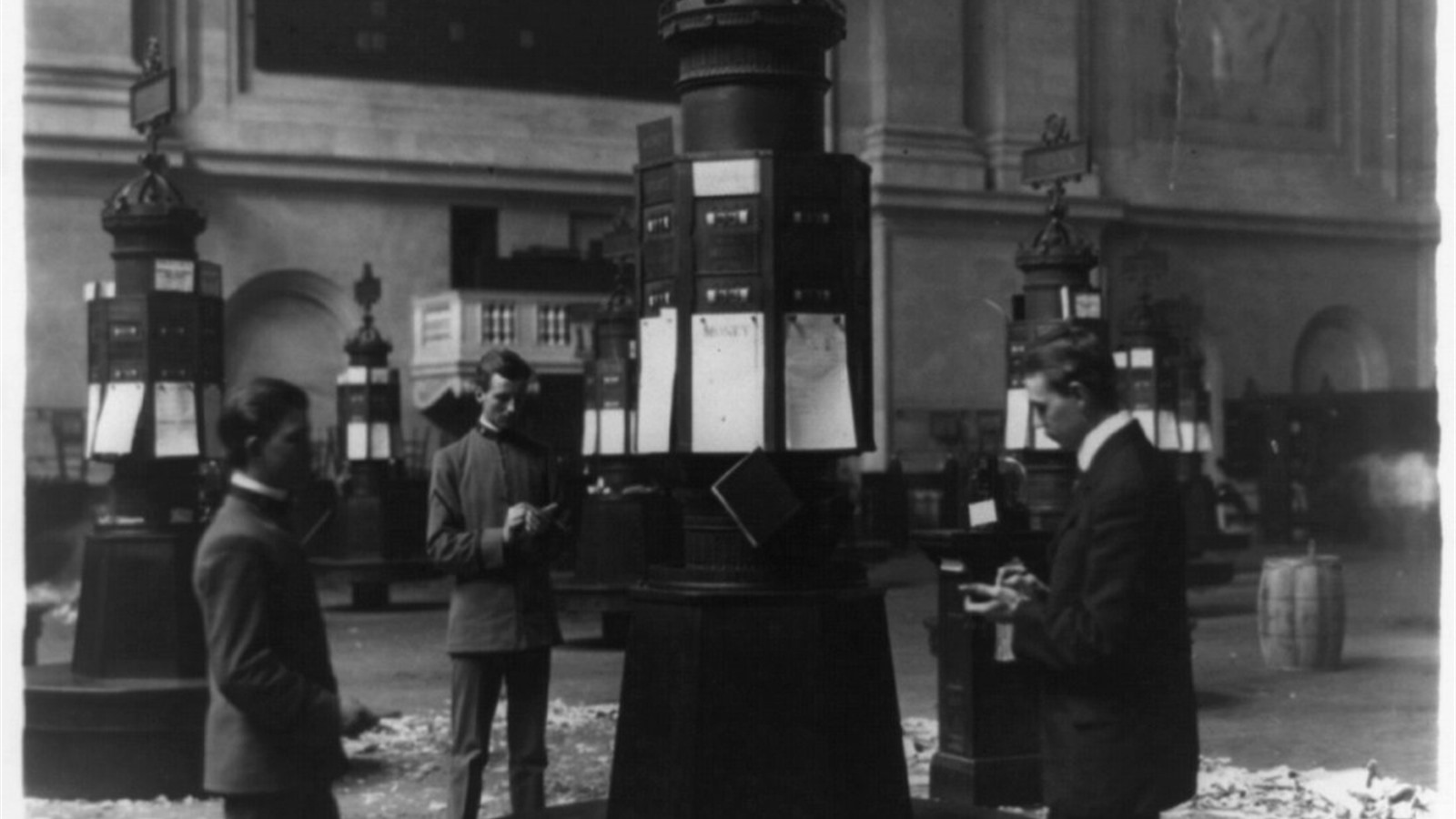
What an ETF actually is
You cannot buy the S&P 500. It is a scoreboard, not a thing. An ETF is the object you can actually own, and the gap between the two explains a lot of small surprises.

Why a $2 stock is not cheaper than a $500 stock
Share price is the first number everyone looks at and one of the least informative. It is the most natural mistake in investing, and nearly every penny stock pitch depends on you making it.
What a dividend actually is
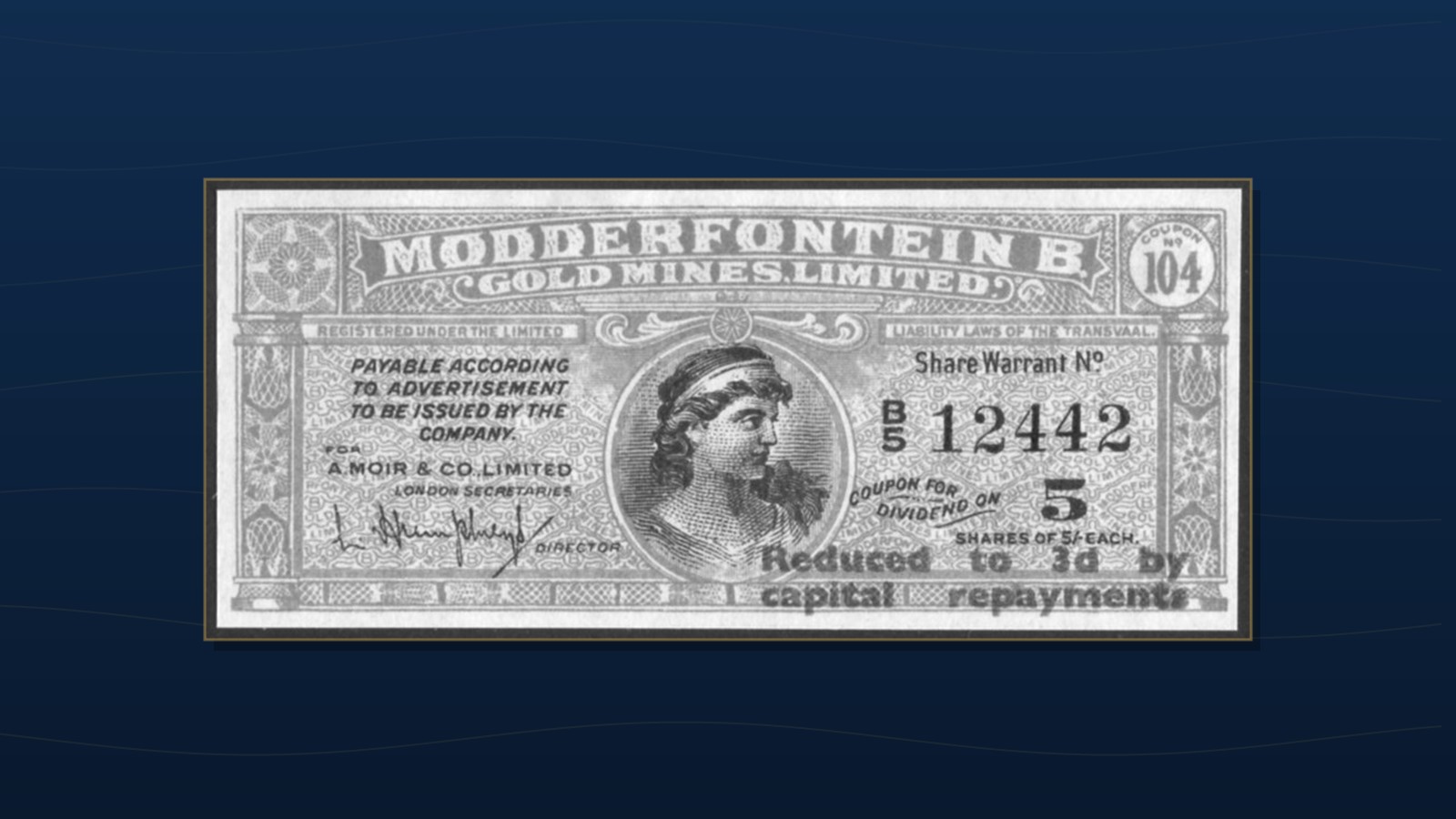
A company pays you cash for owning it, and the share price falls by almost exactly what you were paid. Free money that turns out not to be free, and worth having anyway.
The man who warned them for nine years
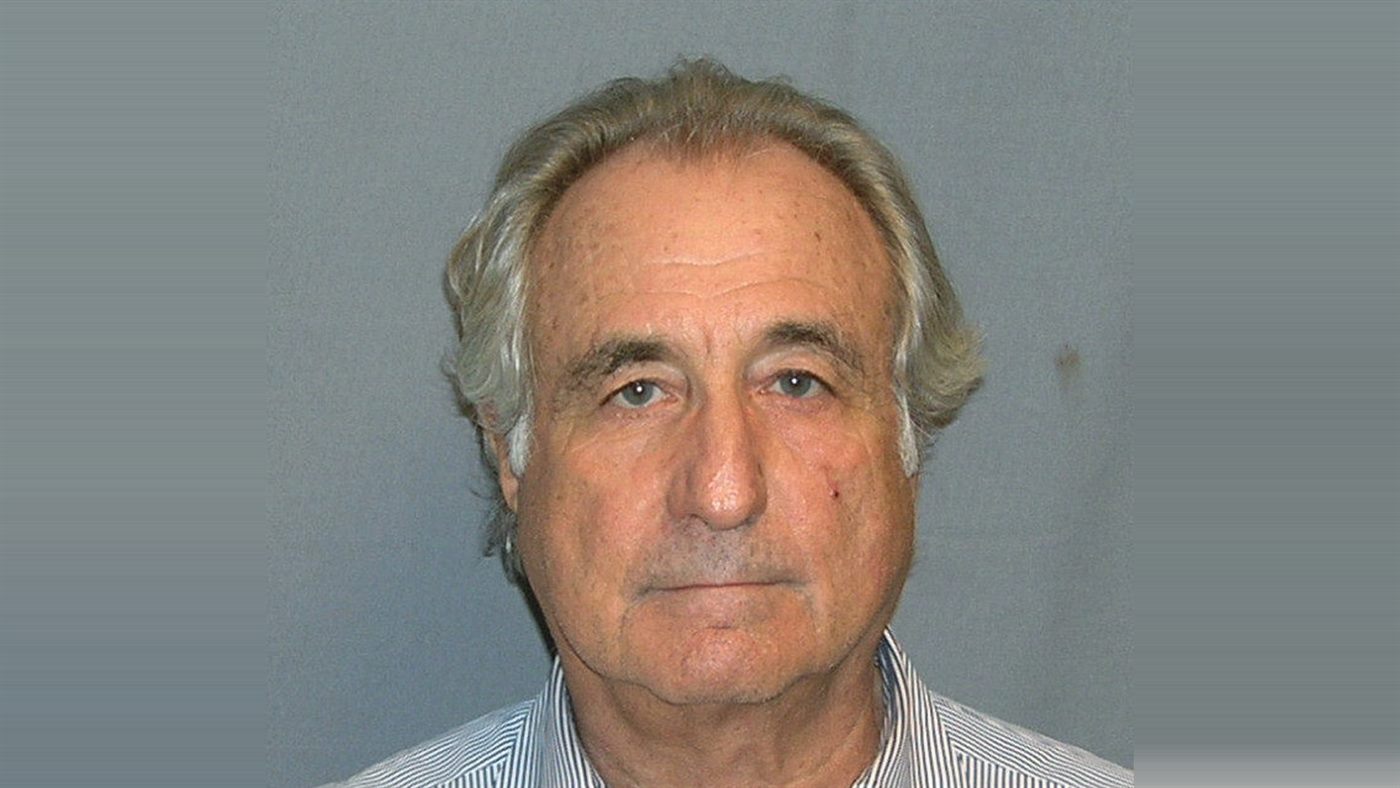
Bernie Madoff ran the largest Ponzi scheme in history while being one of the most trusted names on Wall Street. One analyst did the math and spotted it almost a decade early. Nobody listened.
Why losing hurts more than winning feels good
Losing $100 hurts about twice as much as making $100 feels good. That single quirk of the human brain quietly wrecks more portfolios than any bad stock pick ever has.
Why interest rates move everything
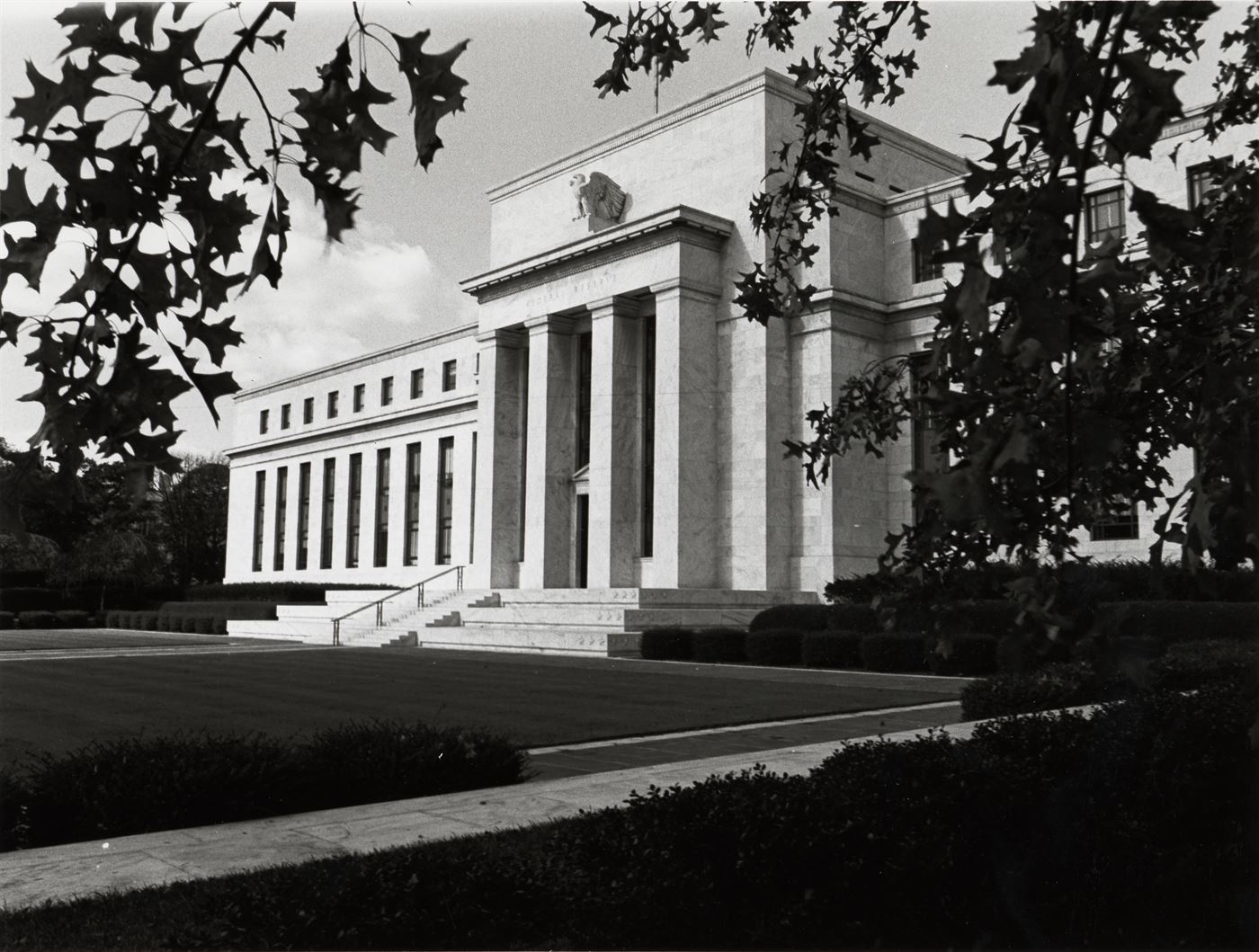
One number, set by a committee of central bankers, quietly pulls on the price of almost everything you can invest in. Why a single sentence from them can move trillions in minutes.
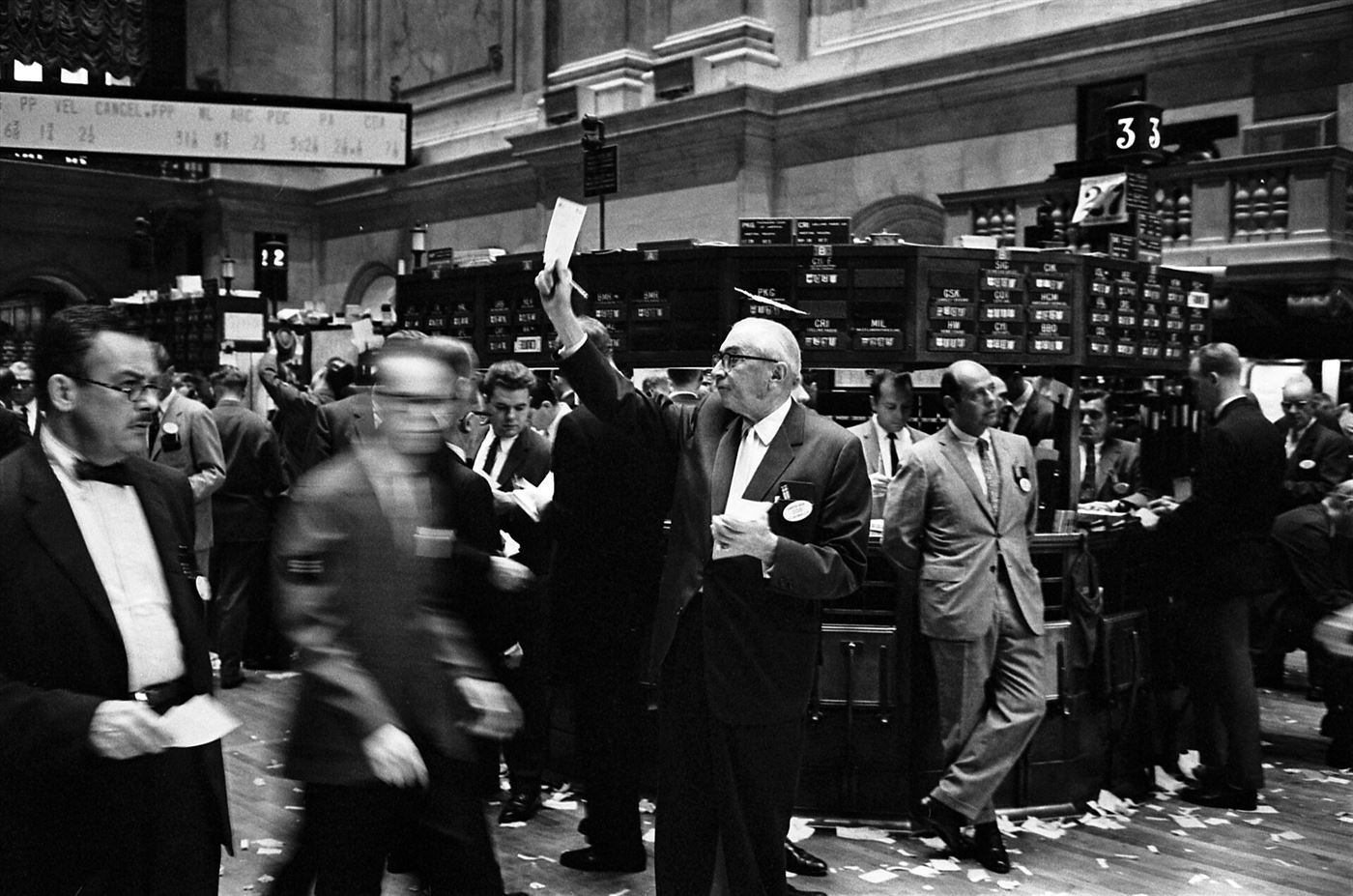
What the S&P 500 actually is
People say it "is the market." It is not. It is a list of around 500 companies chosen by a committee, and that committee can turn down a company that has met every single rule.
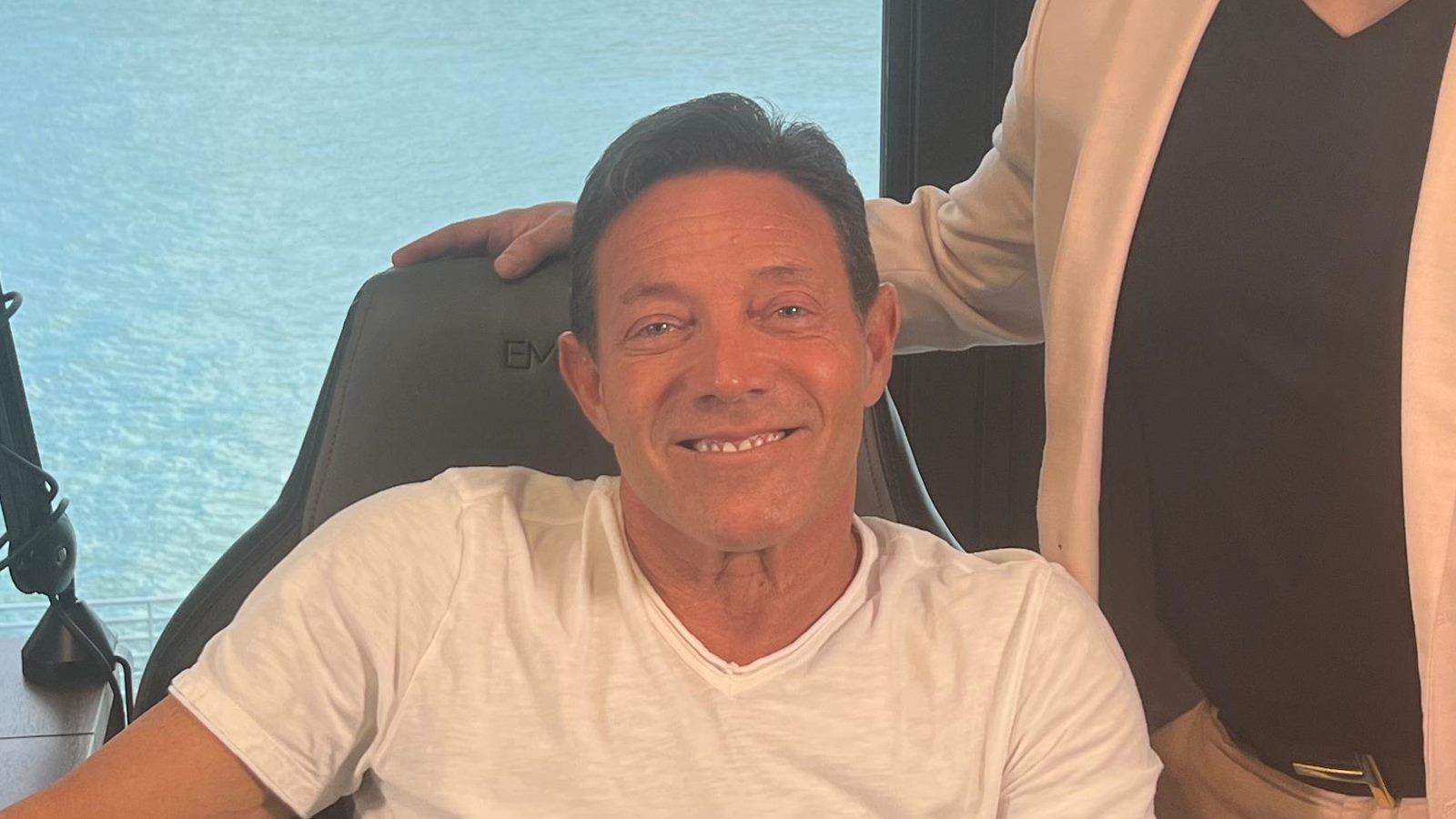
How much of The Wolf of Wall Street is actually true?
The man who ran the firm alongside Jordan Belfort says the book is a distant relative of the truth, and the film is a distant relative of the book. The crimes were real. Almost everything you remember about them is not.

How much of Tulip Mania actually happened?
The Dutch traded houses for flowers, then ruined themselves overnight. It is the oldest cautionary tale in finance, and almost none of it happened the way you were told.
Why good news can crash a stock
A company can break every record it has ever set and watch its stock fall the same afternoon. It is not a glitch, and it is not madness. It is the clearest lesson there is in what really moves a price.
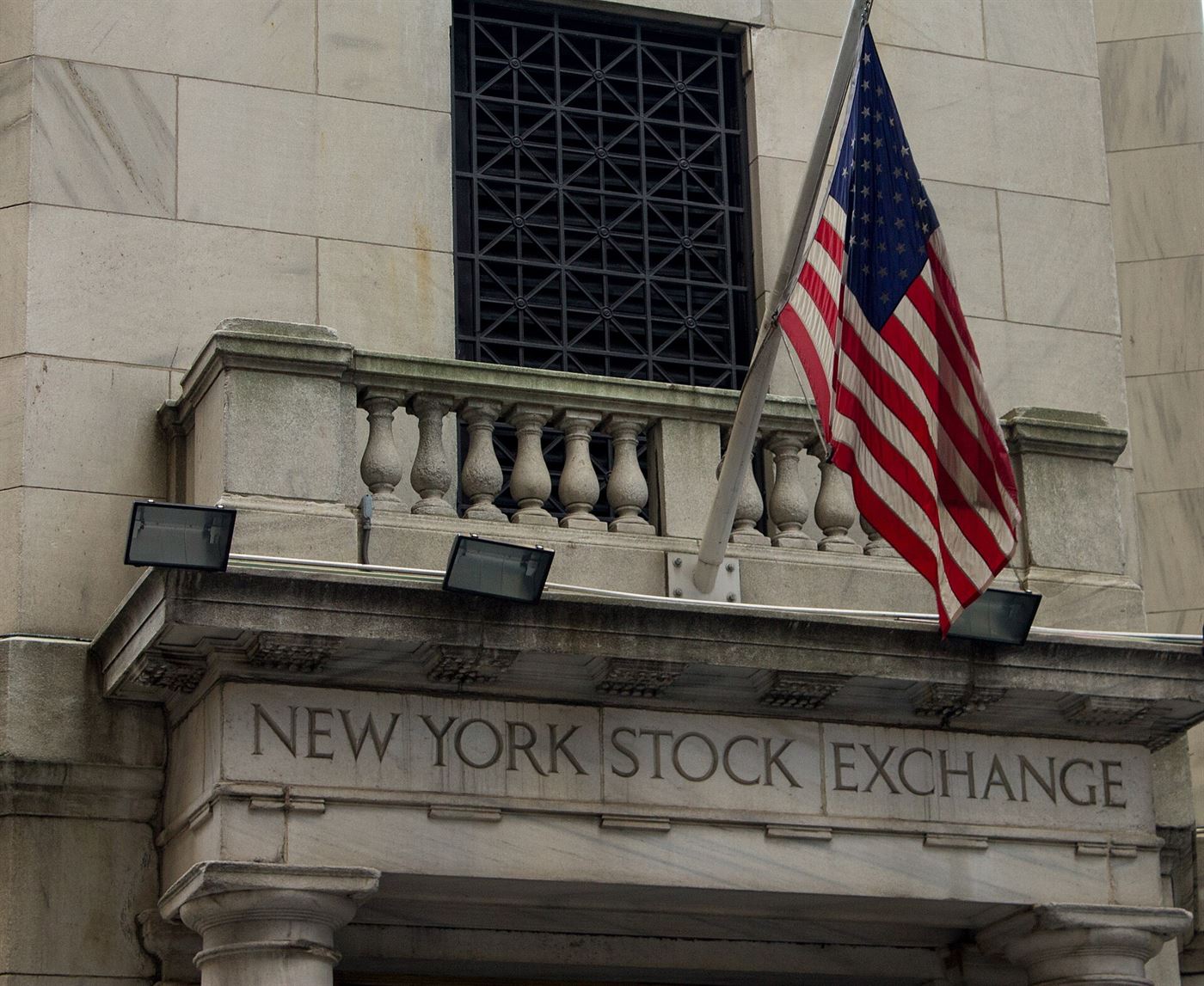
How JPMorgan won the 2008 crash
The biggest financial collapse since the Great Depression wiped out banks across the world. One firm walked in and came out larger. Here is how discipline beat greed.
What a P/E ratio actually tells you
It is one of the first numbers people look at on a stock, and one of the most misread. Here is what it measures, in plain English, and what a high or low one is really saying.
We are still writing for this topic. Follow @wealthstratum to catch the first one.
More stories are being written. Follow @wealthstratum to catch the next one.
Built by students who are obsessed with the markets
Wealth Stratum is a student-led investment community, created by a small group of finance students who share one obsession: understanding how the markets really work.
We started this community to turn that obsession into something useful: a place where anyone can learn the markets properly, without the jargon that usually surrounds finance. We dig into the history that shaped the system, the mechanics of how it works day to day, and the forces that decide where money flows. We are students learning in the open, and everything we publish is educational, never personalised financial advice.
Market history
The crashes, booms, and turning points that built the system we invest in today.
How it works
What you are actually buying, what the numbers on the screen mean, and how it all fits together.
What moves it
The data, incentives, and human psychology behind every move in the price.
Risk and discipline
Thinking in probabilities, respecting the downside, and keeping a cool head.
Come talk markets with us
Follow along on Instagram, and join the Wealth Stratum Discord to learn and talk markets with us every single day.
Wealth Stratum is student-run and free to read. If it has been useful, you can buy us a coffee. It helps cover the running costs. Completely optional, always appreciated.