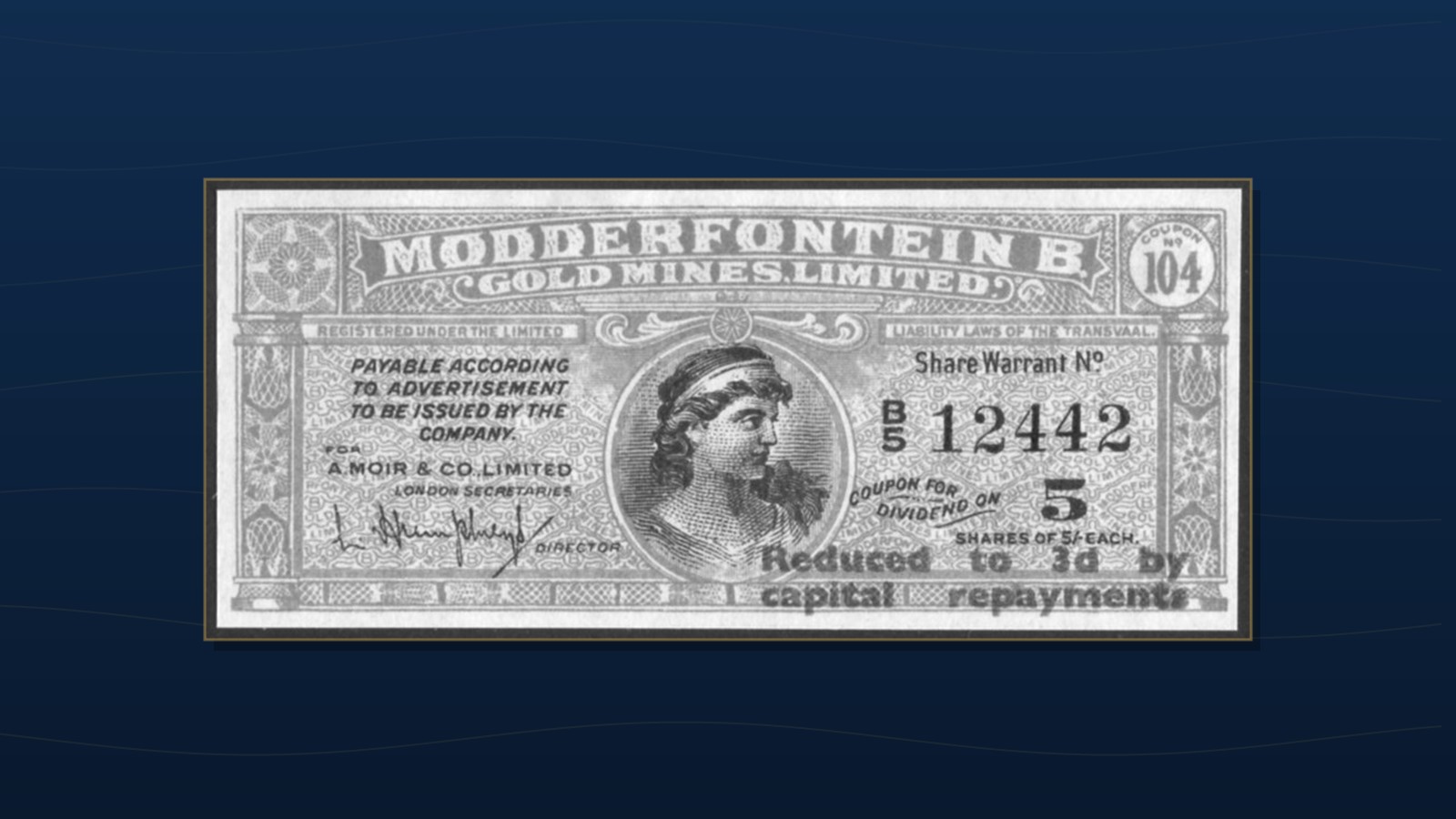
What a dividend actually is
A company pays you cash for owning it, and the share price falls by almost exactly what you were paid. Free money that turns out not to be free.
Dividends sound like the best idea in investing. You buy a share, you keep it, and every few months the company sends you money for doing nothing at all. It is the closest thing the market offers to a wage, and for a lot of people it is the moment investing stops being abstract. Then you watch closely one morning and notice something odd. On the day the payment is set, the share price drops by roughly the amount you are about to receive.
Where the money comes from
A company that makes a profit has to decide what to do with it. It can reinvest the money in the business, buy back its own shares, pay down debt, or hand some of it to the owners. That last option is a dividend, and the owners are the shareholders, which is you.
The board decides the amount and announces it in advance. If they declare a dividend of one dollar per share and you hold two hundred shares, two hundred dollars arrives in your account on the payment date. Companies that do this tend to be large and established, because a business still growing quickly usually has better uses for its cash.
The morning the price drops
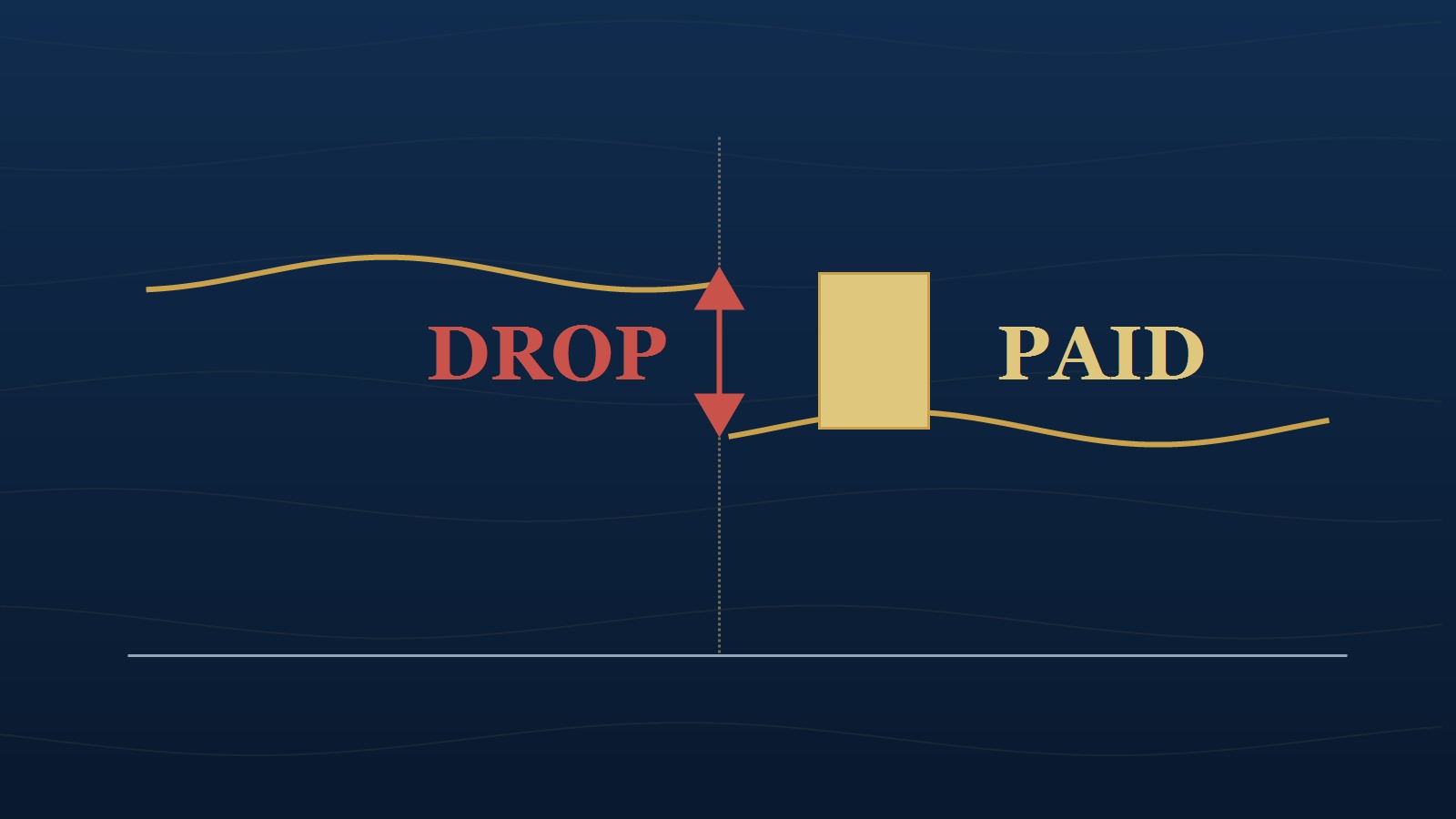
Here is the part almost nobody explains. There is a date called the ex-dividend date, and it is the cutoff. Buy the share before it and the next payment is yours. Buy it on or after that date and the payment belongs to whoever sold it to you.
So the share is worth slightly less the moment that cutoff passes, because it no longer comes with the payment attached. The price falls by roughly the dividend to reflect exactly that. A company paying one dollar tends to open that morning about one dollar lower, before any ordinary trading moves it around.
The logic is easier to see from the company's side. It has just committed to sending cash out of the door. If it pays a hundred million dollars to shareholders, the business now holds a hundred million dollars less than it did, and it is worth less by that amount. Nothing was created. Money moved from one pocket to another, and both pockets are yours.
Then why does anybody want them?
Because moving money from one pocket to another is genuinely useful, even though it is not a gain on the day.
A dividend turns a paper holding into actual cash without you having to sell anything. Somebody living off a portfolio can spend that money while keeping every share they own, which matters a great deal if you would rather not shrink your holding to pay for groceries.
It is also a form of discipline that says something about the business. A company promising a regular payment is telling you it expects to keep making enough cash to keep it up. Firms are famously reluctant to cut a dividend once they have started, because cutting one is read as a confession. That signal proves nothing on its own, but it is a real constraint that management chose to accept.
And over long periods, reinvested dividends have accounted for a substantial share of total returns from the stock market. Not because each payment is a windfall, but because reinvesting them buys more shares, which then pay their own dividends.
The trap to avoid
The obvious bad idea is to buy a share just before the cutoff to collect the payment. You receive the dividend and the price falls by about the same amount, so you end up roughly where you started, minus any tax and any trading cost. There is no free lunch there, and there never was. People try it every quarter anyway, and brokers are perfectly happy to take the commission.
The subtler trap is chasing a high dividend yield, which is the annual payment divided by the share price. A yield can be high because the company is generous. It can also be high because the share price has collapsed, and a falling price flatters the yield right up until the payment is cut. A yield that looks unusually good is often a warning rather than an offer.
The takeaway
A dividend is your own money being handed back to you, and the share price drop is the market keeping score honestly rather than punishing you. That is not a reason to dismiss dividends, because cash you can spend without selling is a real advantage and reinvesting it compounds. It is a reason to stop thinking of them as money appearing from nowhere. Nothing in a market appears from nowhere, which is a good instinct to carry into everything else.
This article is educational and reflects the views of the Wealth Stratum community. It explains a general investing concept in plain terms and is not financial advice or a recommendation to buy or sell any security. Always do your own research.